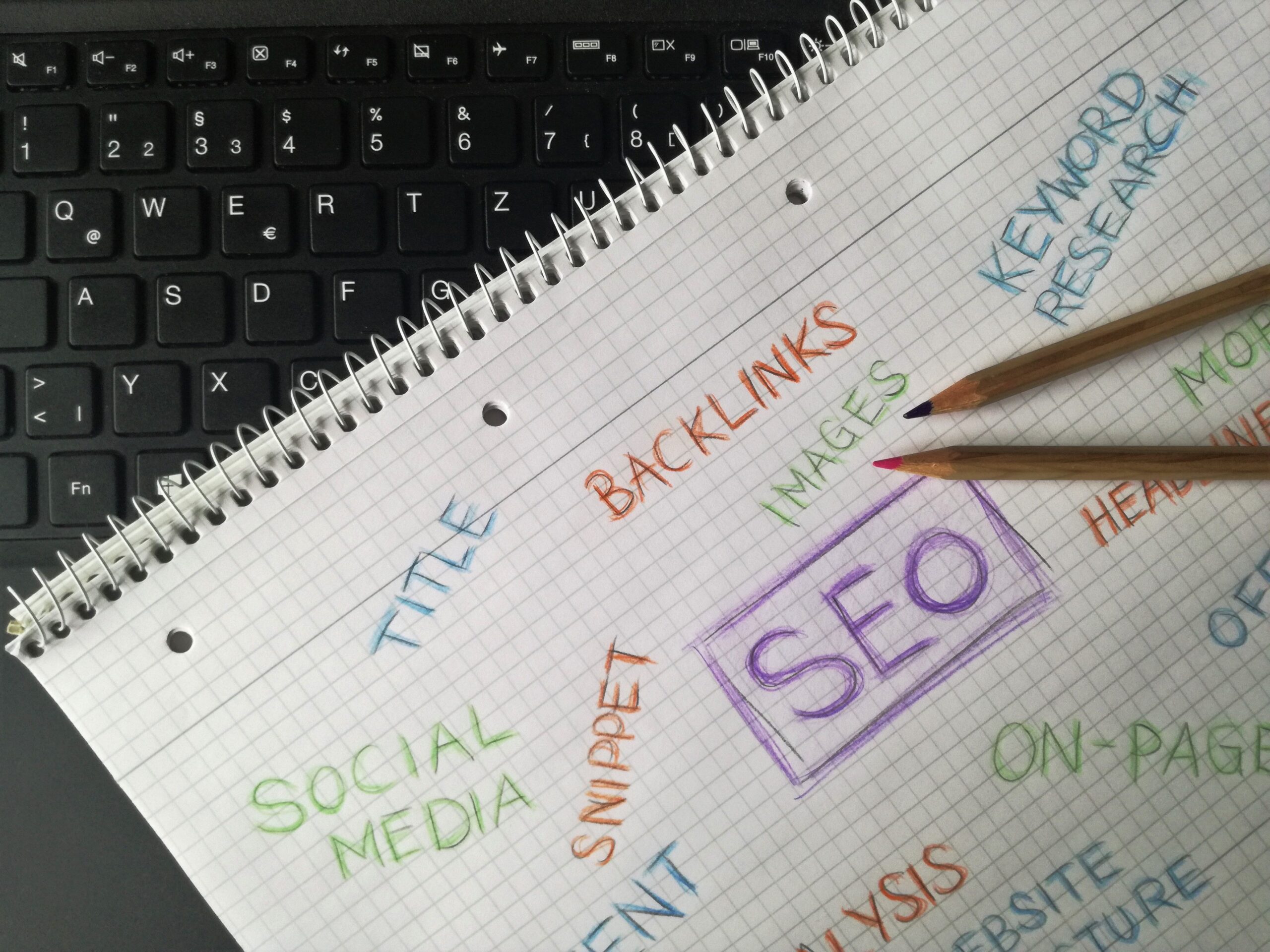
Search engine optimization has evolved dramatically over the past few years. While Google remains one of the largest sources of website traffic, AI-powered search assistants like ChatGPT, Google AI Overviews, Perplexity, and Microsoft’s AI experiences are changing how people discover information online.
Instead of clicking through multiple search results, users increasingly expect direct answers. This shift has introduced a new discipline known as AI SEO, which focuses on making content easy for AI systems to understand, trust, and reference.
Does that mean traditional SEO is dead?
Not at all.
In 2026, the most successful websites combine traditional SEO fundamentals with AI optimization. Rather than choosing one over the other, businesses are using both to maximize visibility across search engines and AI-powered platforms.
In this guide, we’ll explore the differences between AI SEO and traditional SEO, what’s working in 2026, and how you can future-proof your website.
What Is Traditional SEO?
Traditional SEO is the process of optimizing a website to improve its visibility on search engines like Google and Bing. The goal is simple: rank higher in search engine results pages (SERPs) so users can find your content and visit your website.
Traditional SEO focuses on several core areas:
- Keyword research
- On-page optimization
- Technical SEO
- Backlink building
- Mobile optimization
- Website speed
- Internal linking
- User experience
For years, these practices have helped businesses generate organic traffic, leads, and sales. Even in 2026, they remain essential.
What Is AI SEO?
AI SEO is the practice of optimizing content so that AI-powered search engines and assistants can understand, trust, and reference it in their generated answers.
Unlike traditional search engines that primarily rank web pages, AI systems analyze information from multiple trusted sources to generate comprehensive responses.
Instead of asking:
“Best SEO strategy in 2020”
Users now ask:
“What’s the best SEO strategy for a SaaS startup in 2026?”
AI assistants deliver a complete answer rather than a list of links.
That means your content must become a trusted source—not just another webpage.
Why AI SEO Matters in 2026
AI search adoption is growing rapidly because users want immediate, conversational answers. Instead of opening multiple tabs, they ask one question and receive a summarized response.
This shift means businesses need content that is:
- Easy to understand
- Well structured
- Factually accurate
- Regularly updated
- Supported by expertise
- Rich in context
Websites that consistently provide these qualities are more likely to be referenced by AI systems.
What Still Works in Traditional SEO
Despite the rise of AI search, Google’s ranking factors have not disappeared.
1. High-Quality Content
Publishing valuable, original, and informative content continues to be one of the strongest ranking signals.
Avoid thin or repetitive articles. Instead, solve real problems with practical advice and actionable insights.
2. Technical SEO
A technically healthy website remains critical.
Important factors include:
- Fast loading speed
- Mobile responsiveness
- Clean site architecture
- XML sitemaps
- HTTPS security
- Proper indexing
- Core Web Vitals
Without a solid technical foundation, even great content can struggle to perform.
3. Search Intent
Understanding why someone searches is more important than matching exact keywords.
For example:
Someone searching for “best CRM software” wants comparisons.
Someone searching “how CRM works” wants education.
Matching intent improves both rankings and conversions.
4. Internal Linking
Strategic internal links help users discover related content while helping search engines understand your site’s structure.
They also distribute authority across important pages.
5. Quality Backlinks
Backlinks still matter because they signal trust and authority.
However, quality always outweighs quantity.
A few links from reputable industry websites are generally more valuable than hundreds of low-quality links.
What’s Working in AI SEO
Build Topical Authority
Instead of publishing isolated blog posts, create comprehensive content around a specific niche.
For example, if your niche is SEO, build content clusters covering:
- Keyword research
- Technical SEO
- Local SEO
- Link building
- AI SEO
- SEO tools
- Content strategy
- SEO case studies
This demonstrates expertise to both users and AI systems.