In today’s rapidly changing business environment, skills can quickly become outdated. New technologies, evolving customer expectations, and changing job roles require employees to continuously develop their knowledge and capabilities. For many organizations, this has created a growing challenge: the skills gap.
A skills gap occurs when employees do not have the knowledge or abilities required to meet current or future business demands. If left unaddressed, it can affect productivity, innovation, employee engagement, and overall business growth.
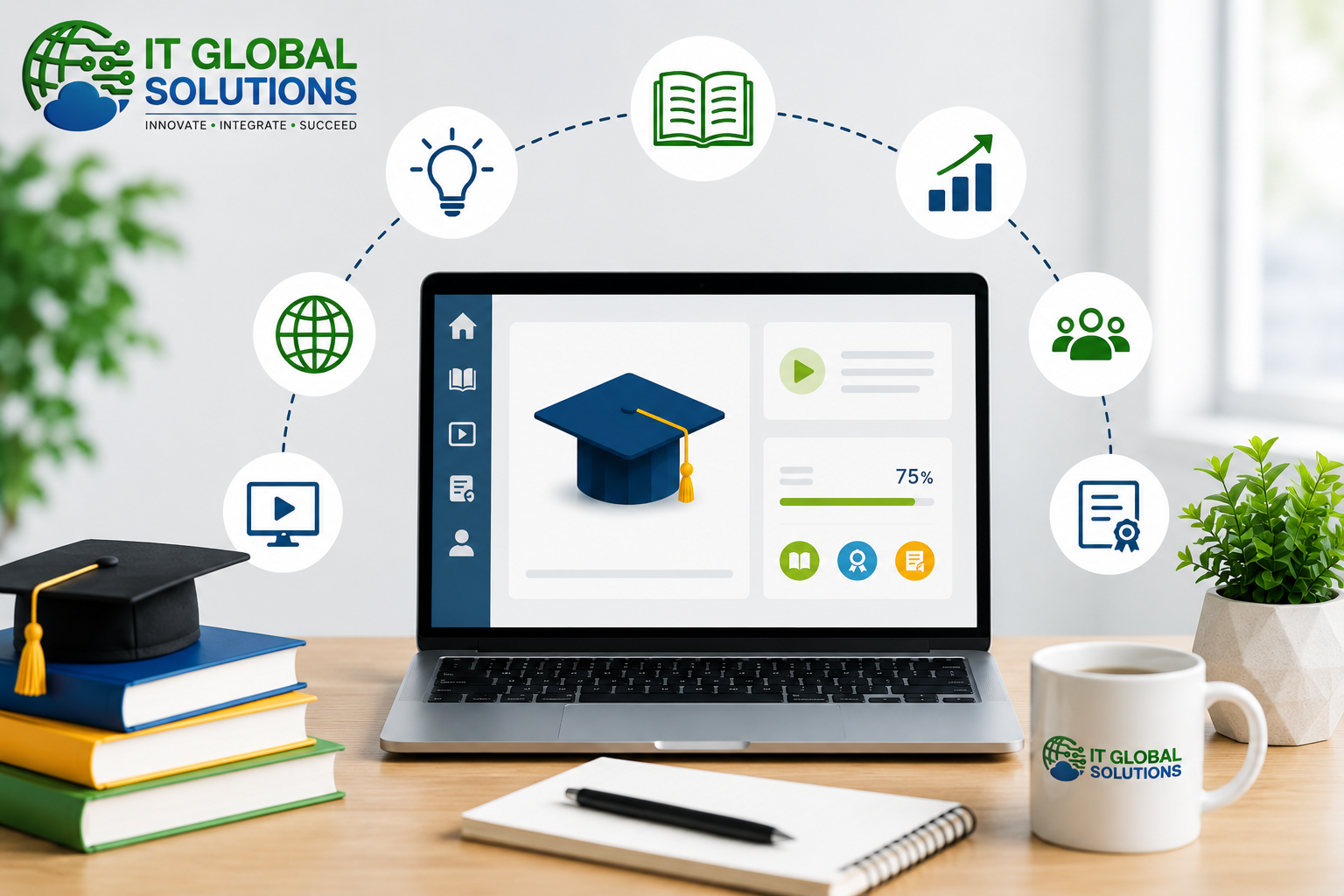
This is where e-learning plays an important role. By providing flexible, accessible, and personalized training opportunities, e-learning helps organizations develop the skills their workforce needs and prepare employees for future challenges.
What Is the Skills Gap?
The skills gap refers to the difference between the skills employees currently have and the skills an organization needs to achieve its goals.
For example, a business may introduce new software, automation tools, or digital processes, but employees may not yet have the technical knowledge required to use them effectively. Similarly, employees may need to improve soft skills such as communication, leadership, problem-solving, or teamwork.
Traditional training methods can sometimes struggle to keep up with these rapidly changing requirements. E-learning provides a more flexible and scalable solution for continuous workforce development.
How E-Learning Helps Close the Skills Gap
1. Provides Flexible Learning Opportunities
One of the biggest advantages of e-learning is flexibility. Employees can access training materials at a time and place that works best for them.
Instead of attending long classroom sessions, learners can complete courses at their own pace. This makes it easier for organizations to provide training without significantly disrupting daily work.
Flexible learning also encourages employees to take greater responsibility for their own professional development.
2. Delivers Personalized Learning Experiences
Not every employee has the same level of knowledge or requires the same training. E-learning platforms can support personalized learning paths based on an employee’s role, existing skills, and career goals.
For example, a new employee may need foundational training, while an experienced team member may require advanced or specialized courses.
Personalized learning helps employees focus on the areas where they need the most improvement, making training more effective and relevant.
3. Supports Continuous Learning
Closing the skills gap is not a one-time activity. As industries and technologies continue to evolve, employees need opportunities to learn and develop continuously.
E-learning makes continuous learning easier by giving organizations the ability to regularly update courses and introduce new training content. Employees can access fresh learning resources whenever new skills are required.
By building a culture of continuous learning, organizations can help their workforce stay prepared for future changes.
4. Makes Training Scalable and Cost-Effective
Training a large workforce through traditional classroom programs can be expensive and difficult to manage. E-learning allows organizations to deliver consistent training to employees across different locations.
Once digital learning content is created, it can be shared with multiple learners without repeating the same training session every time.
This makes e-learning a scalable and cost-effective solution for organizations that want to provide high-quality training to a growing workforce.
5. Uses Learning Analytics to Identify Skill Gaps
Modern e-learning platforms and Learning Management Systems (LMS) provide valuable insights into learner progress and performance.
Organizations can track course completion, assessment results, learner engagement, and other important training metrics. This data can help managers identify areas where employees may need additional support.
By understanding workforce strengths and weaknesses, organizations can create targeted training programs that directly address specific skill gaps.
6. Improves Knowledge Retention Through Engaging Content
Traditional training sessions can sometimes feel passive and difficult to remember. E-learning can make the learning experience more engaging through videos, interactive modules, quizzes, simulations, and gamification.
Interactive content encourages employees to actively participate in the learning process. This can improve knowledge retention and help learners apply their new skills more effectively in the workplace.
Short, focused learning modules can also make it easier for employees to learn without feeling overwhelmed.
7. Helps Employees Prepare for Changing Roles
As businesses adopt new technologies and ways of working, job roles are constantly evolving. Employees may need to develop completely new skills to succeed in their current or future positions.
E-learning supports both upskilling and reskilling. Upskilling helps employees improve their existing abilities, while reskilling prepares them for new roles and responsibilities.
By providing relevant learning opportunities, organizations can develop internal talent and reduce the need to constantly search externally for new skills.
The Role of an LMS in Closing the Skills Gap
A Learning Management System (LMS) can make e-learning more organized and effective. It provides a central platform where organizations can create, manage, deliver, and track training programs.
With the right LMS, businesses can:
- Create customized learning paths for different roles
- Deliver training to employees from any location
- Track learner progress and course completion
- Identify training needs through reports and analytics
- Provide consistent learning experiences
- Update training content as business needs change
An LMS helps organizations take a more strategic approach to employee learning and development.